Sherry wines are internationally recognised for the uniqueness of their production and ageing methods. Elements such as ageing under flor yeast or the traditional criaderas and solera system are part of a set of practices that define the identity of these wines.
Among these processes, fortification stands out as a fundamental step in the production of Sherry and Manzanilla wines. It is a historical practice that allows winemakers to guide the wine’s evolution during ageing and plays a decisive role in the development of the different traditional styles within the Sherry region.
Understanding what fortification is and how it works helps to better appreciate the diversity and complexity of Sherry wines.
What does it mean to “fortify” a wine?
Fortification is the process by which wine alcohol is added to the base wine once alcoholic fermentation has finished.
This alcohol is produced by distilling wine, and its addition allows winemakers to adjust the wine's alcohol level before it begins ageing. In the case of Sherry wines, fortification does not simply serve to increase alcohol content; it plays a key role in determining the type of ageing the wine will undergo.
Depending on the alcohol level reached after fortification, the wine will evolve either through biological ageing, protected by the flor yeast, or through oxidative ageing, in contact with oxygen.
Why are Sherry wines fortified?
Fortification serves several functions within the production process of Sherry wines and is one of the most important technical decisions made in the winery.
Defining the style of the wine
Fortification allows winemakers to determine the type of ageing the wine will undergo. From the same base wine (typically made from the Palomino grape, which is predominant in the Sherry region) very different styles can develop depending on the final alcohol level.
Influencing the development of flor yeast
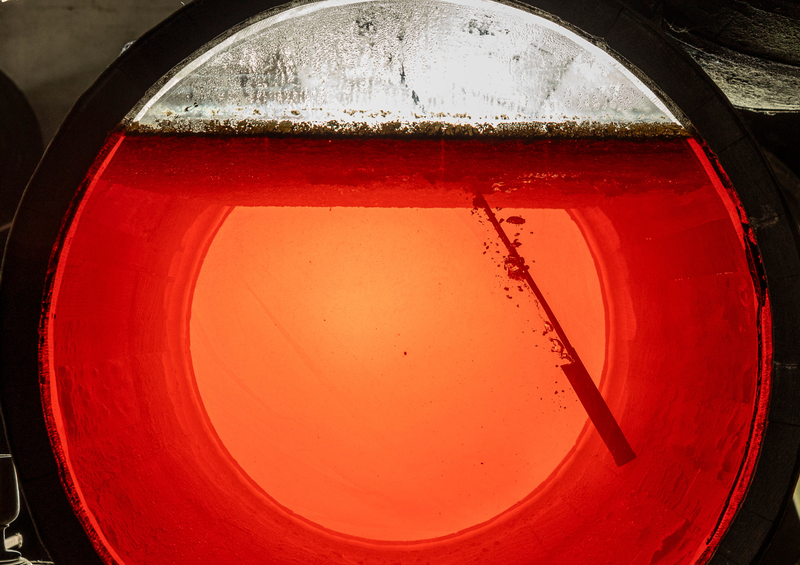
The alcohol level of the wine determines whether a veil of flor can develop — a natural layer of yeast that forms on the surface of the wine during ageing under specific conditions.
When the wine is fortified to around 15% ABV, flor yeast can develop and remain active, resulting in what is known as biological ageing.
By contrast, when the wine is fortified to around 17% ABV, flor yeast cannot survive, and the wine will evolve through oxidative ageing, in contact with air.
Preparing the wine for ageing
Fortification also helps stabilise the wine before it enters the criaderas and solera system, where it will continue its ageing process over an extended period of time.
Fortification and the different styles of Sherry wines
Fortification largely determines the type of ageing the wine will undergo and, therefore, the final style it will develop.
Finos and Manzanillas
Fino and Manzanilla wines are typically fortified to reach an alcohol level of around 15% ABV.
This level allows flor yeast to develop, forming on the surface of the wine during its ageing in oak casks. Under this layer of yeast, the wine evolves protected from direct contact with oxygen, developing distinctive organoleptic characteristics such as notes of almonds, baked goods, or yeast.
This type of ageing is known as biological ageing.
Olorosos
Oloroso wines are fortified to approximately 17% ABV.
At this level of alcohol, flor yeast cannot develop, so the wine ages in contact with oxygen inside the casks. This process, known as oxidative ageing, results in wines with greater structure, concentration, and aromatic complexity.
Amontillados
Some wines that were initially destined for biological ageing may, over time, lose their flor yeast and continue ageing through oxidative processes. These wines develop into the Amontillado style, which combines characteristics of both ageing types.
When does fortification take place?
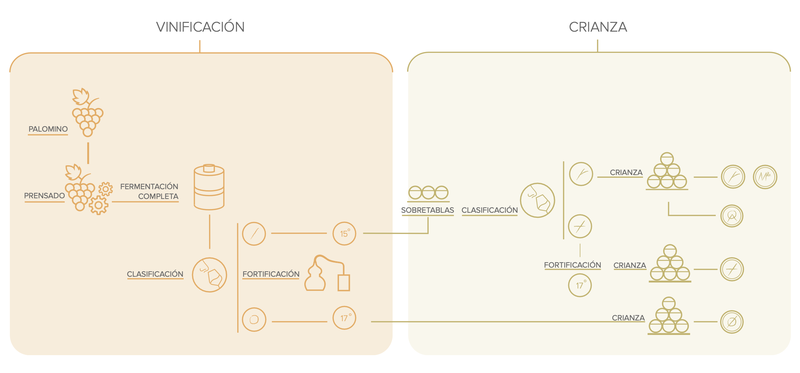
Fortification takes place after the initial stages of winemaking.
In general terms, the process follows these steps:
- Harvesting of the grapes in the Sherry region
- Pressing and fermentation of the must
- Classification of the base wines in the winery
- Fortification of the wine according to the intended style
- Entry into the traditional criaderas and solera system for ageing
The decision regarding the type of fortification is part of the winery’s technical expertise and is crucial in determining the wine’s subsequent evolution.
A historical practice in the Sherry region
Fortification has been part of the winemaking tradition of the Sherry region for centuries. Historically, the addition of alcohol also helped improve the stability of the wine during transport to international markets.
Over time, this practice took on an essential role within the production process, allowing winemakers to guide the wine’s evolution during ageing and consolidating the different styles that today define Sherry wines.
Is Sherry a fortified wine?
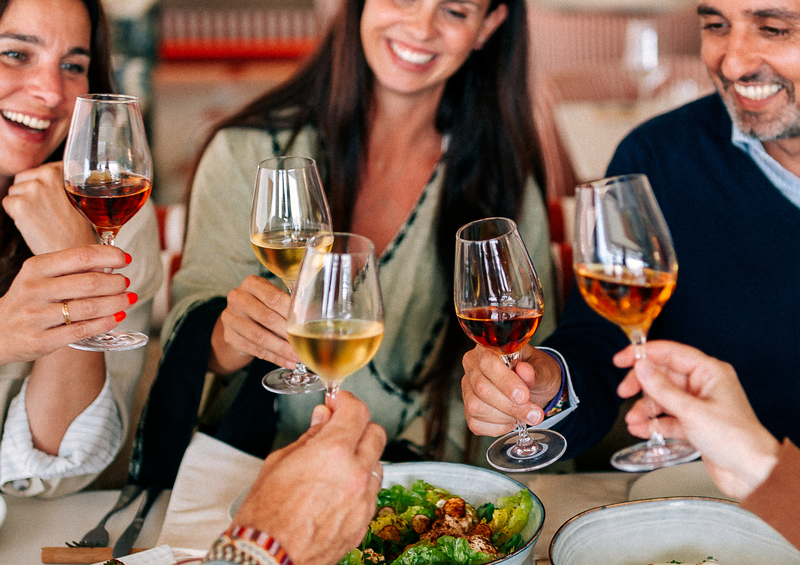
Due to the fortification process, Sherry wines are classified as fortified wines.
However, in the case of Sherry, fortification serves a specific purpose linked to the ageing process. Beyond increasing alcohol content, its main function is to determine the type of ageing the wine will undergo, giving rise to the wide diversity of styles that characterise these wines.
Frequently asked questions about fortification in Sherry wine
What type of alcohol is used for fortification?
Wine alcohol is used, obtained through the distillation of wine.
Are all Sherry wines fortified in the same way?
No. The final alcohol level varies depending on the style of wine being produced and the type of ageing it will undergo.
Does fortification determine the style of the wine?
Yes. The alcohol level after fortification determines the development of flor yeast and, therefore, the type of ageing — biological or oxidative — that the wine will experience.


