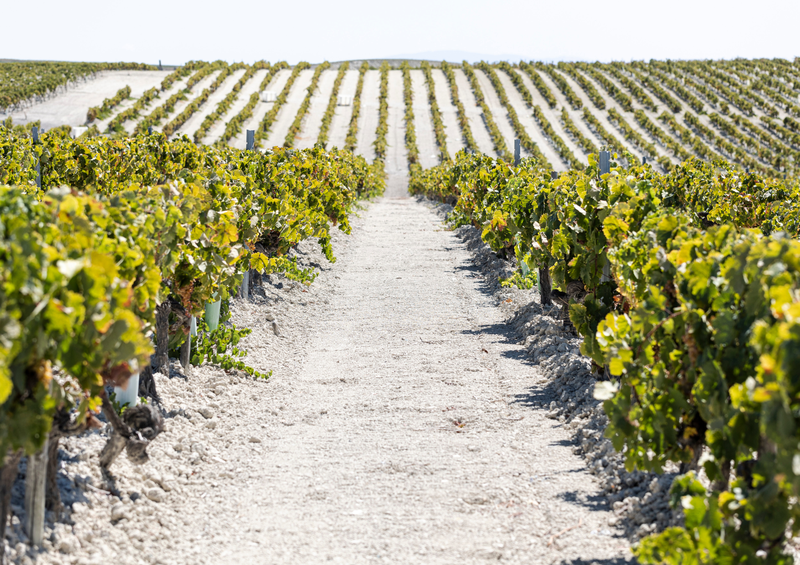
To speak of Sherry wines and Manzanilla from Sanlúcar is, inevitably, to speak of their origin. Of a singular landscape, marked by bright white tones, which under the climatic conditions of southern Andalusia shapes both the development of the vine and the character of its wines.
In the Sherry region, albariza is far more than just a type of soil: it is one of the essential elements that defines the relationship between climate, winemaking tradition and the final expression of the wine.
Albariza is a distinctive soil of this region, whose combination with factors such as vineyard orientation and climatic conditions (what is known as terroir) plays a decisive role in shaping Sherry wines. Its uniqueness and its interaction with the environment make it key to understanding the identity of these wines.
This soil also establishes a direct relationship with the Palomino grape, the predominant variety in the region, influencing both its development and its expression.
Definition of albariza
Albariza is a calcareous soil of marine origin, primarily composed of calcium carbonate, clay and silica. Its distinctive white colour and unique structure make it one of the most determining factors in the quality of wines from the Sherry region.
Where this type of soil is found
Albariza is mainly found within the so-called Sherry Triangle, the geographical area formed by Jerez de la Frontera, Sanlúcar de Barrameda and El Puerto de Santa María, where the region’s historic vineyards are concentrated.
Within this territory, vineyards are organised into pagos (viticultural sites with their own distinct soil, orientation and microclimate), traditionally recognised for their ability to produce high-quality grapes.
The most prized pagos are typically located on gentle hills, particularly around Jerez, where albariza reaches its fullest expression. Among them, Macharnudo stands out as one of the most renowned, known for the brightness of its soil and its long-standing association with top-quality vineyards.
Although different soil types coexist across the region, areas with a higher presence of albariza are the most valued for viticulture. This has driven a growing interest in single-vineyard wines in recent years, which highlight the diversity and specificity of each site.
How is Albariza formed?
Geological origin and composition
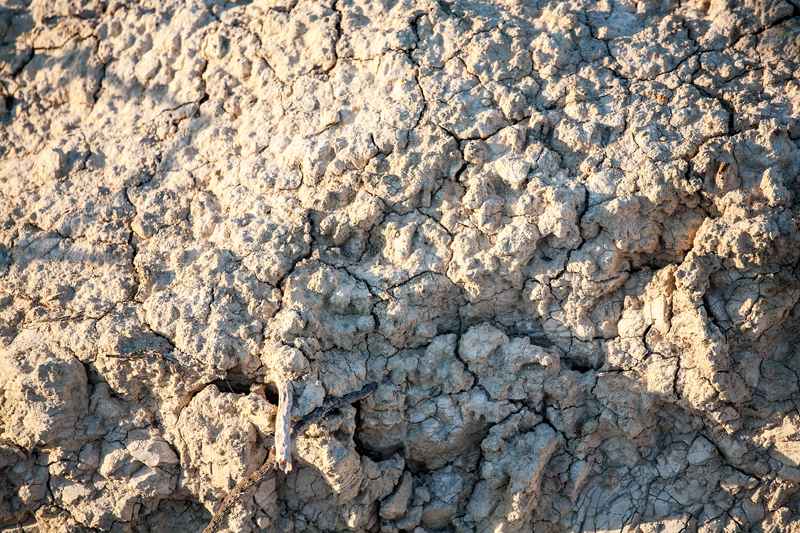
The origin of albariza dates back millions of years ago, when much of what is now the Sherry region was covered by the sea. The accumulation of marine sediments, compacted over time, gave rise to this unique type of soil.
This origin explains its high calcium carbonate content and its distinctive structure.
Presence of marine fossils (diatoms)
One of the most distinctive features of albariza is the presence of diatoms, a marine microorganism whose fossilised remains form part of its composition.
These particles contribute to the soil’s porosity, allowing it to absorb and retain water, as well as release it gradually. This behaviour is particularly important in the hot, dry climate of the Sherry region.
Main characteristics of albariza soil
Color, texture and structure
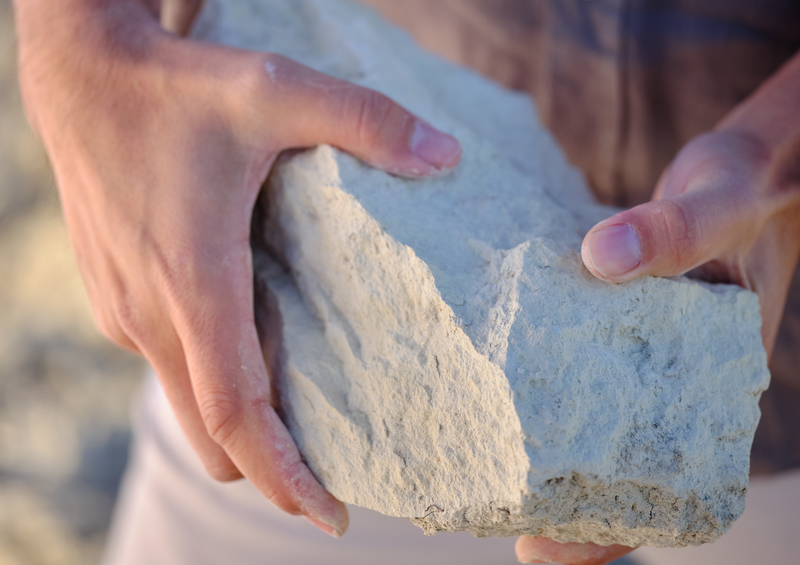
The white colour of albariza is one of its most distinctive features. This brightness helps reflect solar radiation, moderating the immediate temperature around the vine and supporting a balanced ripening of the grapes.
Its texture is fine, and its structure combines compactness with good aeration, encouraging deep root development.
High water retention capacity
One of the most important properties of albariza is its ability to retain water. During rainy periods, the soil acts as a natural reservoir, storing moisture that is gradually released during the drier months.
In this context, and given that irrigation is not permitted under the regulations of the Jerez-Xérès-Sherry Denomination of Origin, having soils capable of retaining winter rainfall and releasing it progressively during periods of drought is essential.
This capacity allows the vine to access water even in scarce conditions, supporting its survival and development. In albariza soils, vine roots can reach depths of up to 6 metres and extend as far as 12 metres in length, enabling the plant to explore the soil in search of available water.
Why is Albariza ideal for vine growing?
Adaptation to Jerez’s warm climate
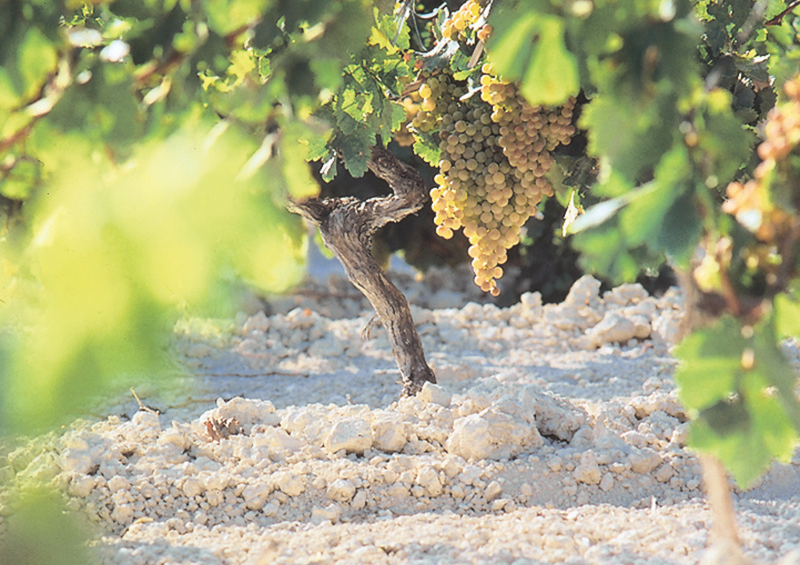
The climate of the Sherry region, characterised by hot, dry summers, finds in albariza a natural ally for vine cultivation. Its properties help to buffer extreme conditions and support the development of the vineyard.
Natural water regulation
The structure of albariza allows for a natural regulation of the water available to the plant, preventing both excess and shortage. This balance is essential for the proper development of the grape.
Relationship between albariza and the Palomino grape
How it influences aromatic neutrality
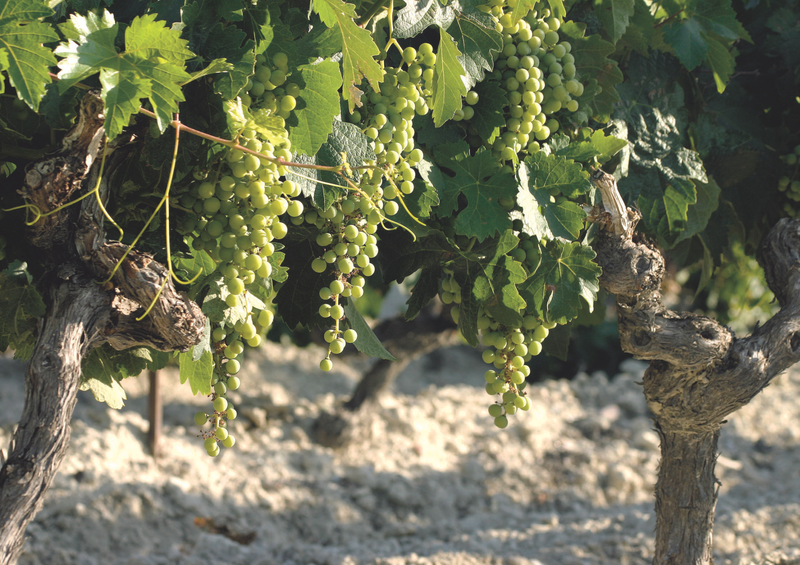
The Palomino grape, the predominant variety in the Sherry region, finds its most suitable environment in albariza soils.
This soil encourages a restrained aromatic expression, allowing the winemaking and ageing processes, key elements of Sherry wines, to take centre stage in defining their final profile.
Types of albariza in the Jerez region
Within albariza, there are different typologies, each with variations in structure and behaviour:
- Tosca de barajuelas: characterised by its layered formation, visible in the soil, resembling overlapping sheets.
- Tosca cerrada: more compact in structure.
- Lentejuelas: featuring small shiny inclusions that add variability to the soil.
These differences influence both vineyard development and the expression of the grapes.
The impact of albariza on the character of Sherry wines
Influence on minerality
Albariza’s ability to regulate water supports a balanced ripening of the grapes, resulting in wines with good structure and acidity.
Effect on acidity and balance
La capacidad de regulación hídrica de la albariza favorece una maduración equilibrada de la uva, lo que se traduce en vinos con buena estructura y acidez.
Comparison between albariza and other soils in the Jerez region
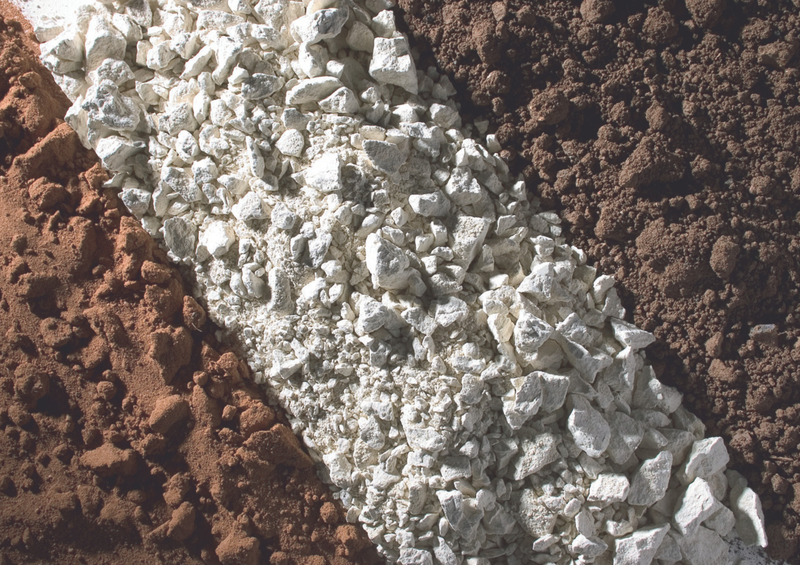
Although albariza is the predominant and most valued soil, other types can also be found across the Sherry region:
- Clay soils: darker in colour and more fertile, typically found in lower-lying areas.
- Sandy soils: mainly located in coastal zones, where the Moscatel grape is often grown.
Viticultural practices on albariza soils
Cultivation on albariza has led to specific viticultural practices, developed over generations to make the most of its natural qualities.
One of the most notable is aserpiado, a traditional technique that involves shaping the soil into ridges. Its main purpose is to improve rainwater retention, allowing it to collect and be efficiently absorbed by the albariza, helping to maintain moisture available to the vine during drier periods.
The importance of albariza in Sherry’s identity
Albariza is one of the fundamental pillars of Sherry wines. Its influence is evident both in the vineyard and in the final character of the wines.
To understand Albariza is to understand the origin of these wines, because in the Sherry region, the identity of the wine begins in the soil.


